On Monochrome
and "taking the easy way out"

Here’s a common part of my photographic process: I’m sifting through a batch of photos, and I go to the monochrome module of my editing tool. I toggle it, sucking all of the color out of the image, and what initially felt uneasy, mundane, or messy, becomes an interesting photograph. I bump the contrast or set a tone curve that crushes the shadows and accentuates texture. I do this enough that I often will just use jpegs with a monochrome preset of my liking, and only mess with the raw file if I’m not satisfied with it. I find there’s plenty of room to adjust the jpegs as long as I didn’t complete miss exposure.
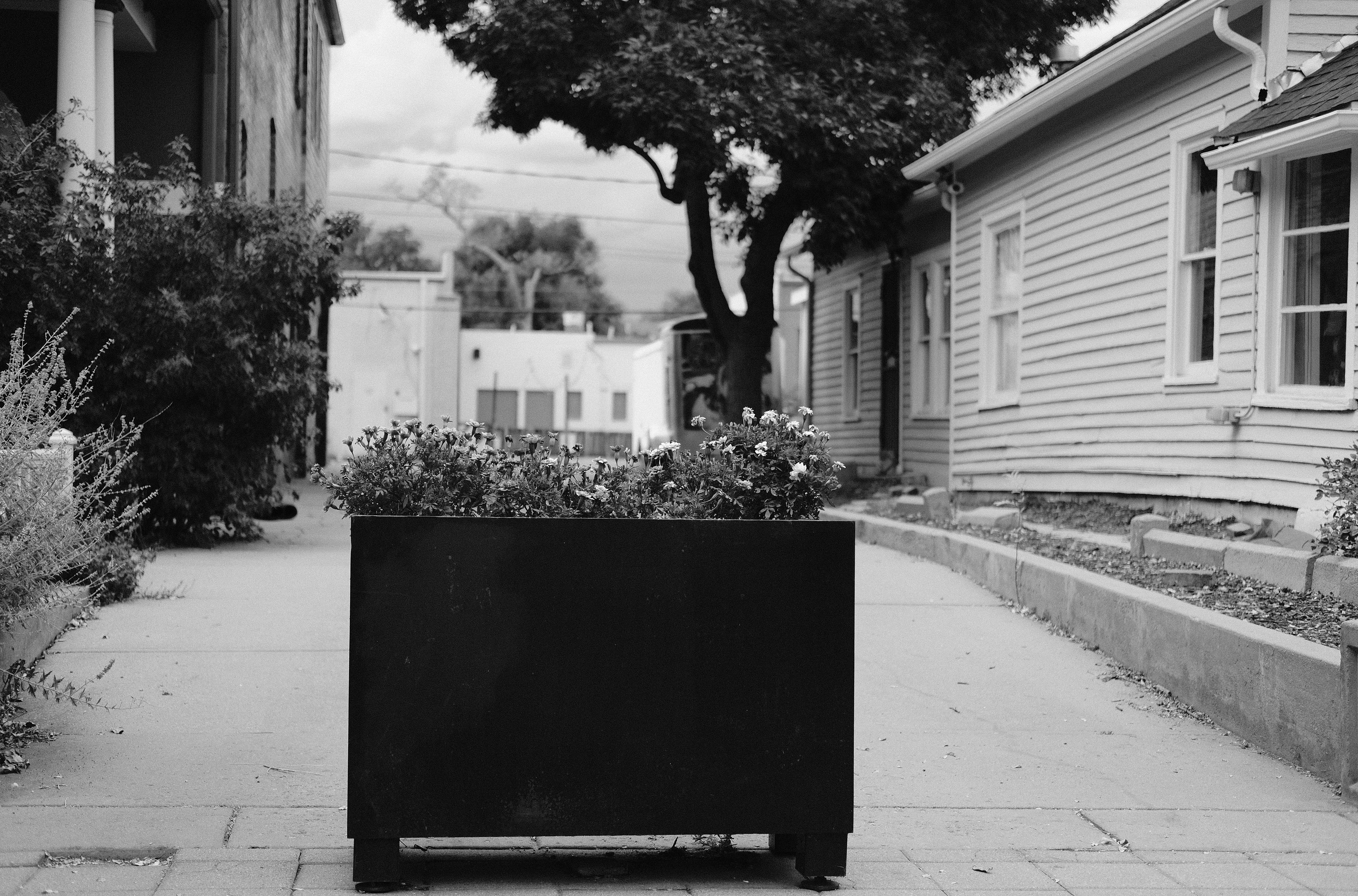
After desaturating images I often feel a sense of guilt, that I’m taking an easy road to nice images and that I should stop leaning on it as a crutch. As if a black and white image is less prestigious than color, and the real photographers will notice I’m just some amateur slapping the monochrome skin on and calling it art. Sometimes I even worry I’m doing the image itself a disservice by removing the color I captured, and that the photo is less impactful now that it no longer reflects reality.
I’ve noticed that I don’t have this feeling in the same way when I shoot on film. I haven’t shot a single roll of color film because I can’t be bothered to develop it. Either I’d have to sous vide my chemicals to meet the specified temperature range, or pay for lab. Film is expensive as it is, so I prefer to stick with a look I like, that works in most lighting situations, and that I can develop at home with cheap chemicals. So my film stock is always black and white. The decision is made before any image is captured that it’s going to be monochrome, and from there I just make it the best it can be. There isn’t a moment where I decide to “give up” the color or to skew reality, it’s just like that as a result of my medium.
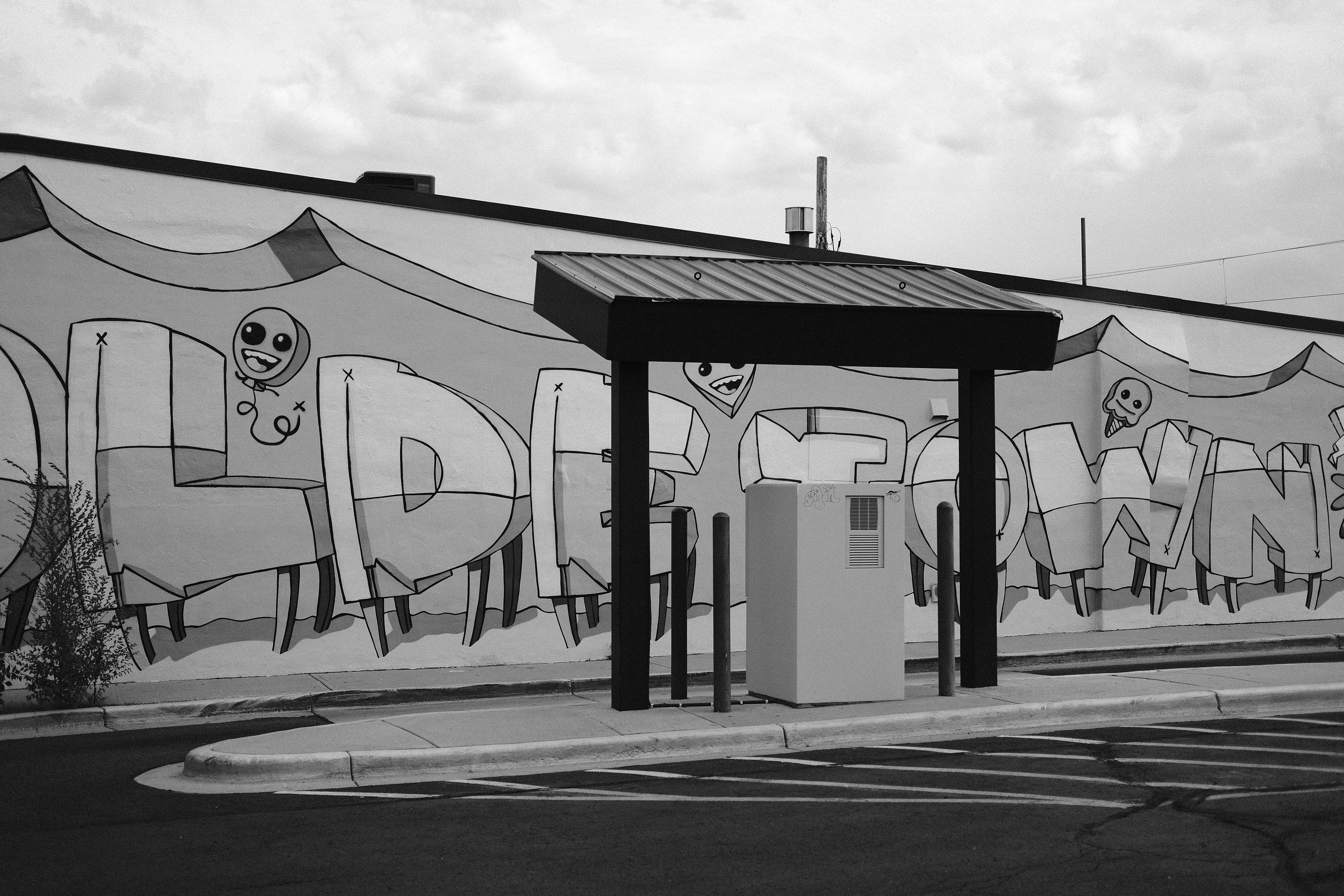
I accept this when I shoot film because it’s “classic” and “timeless” and harkens back to the origins of photography, but do I really need that in order to justify it? As an artist, I get to greedily control every aspect of out work until the moment it’s released. And there is no invalid reason to make a decision. If I like the photo more in black and white, then it’s gonna be black and white, and I don’t need to justify the choice.
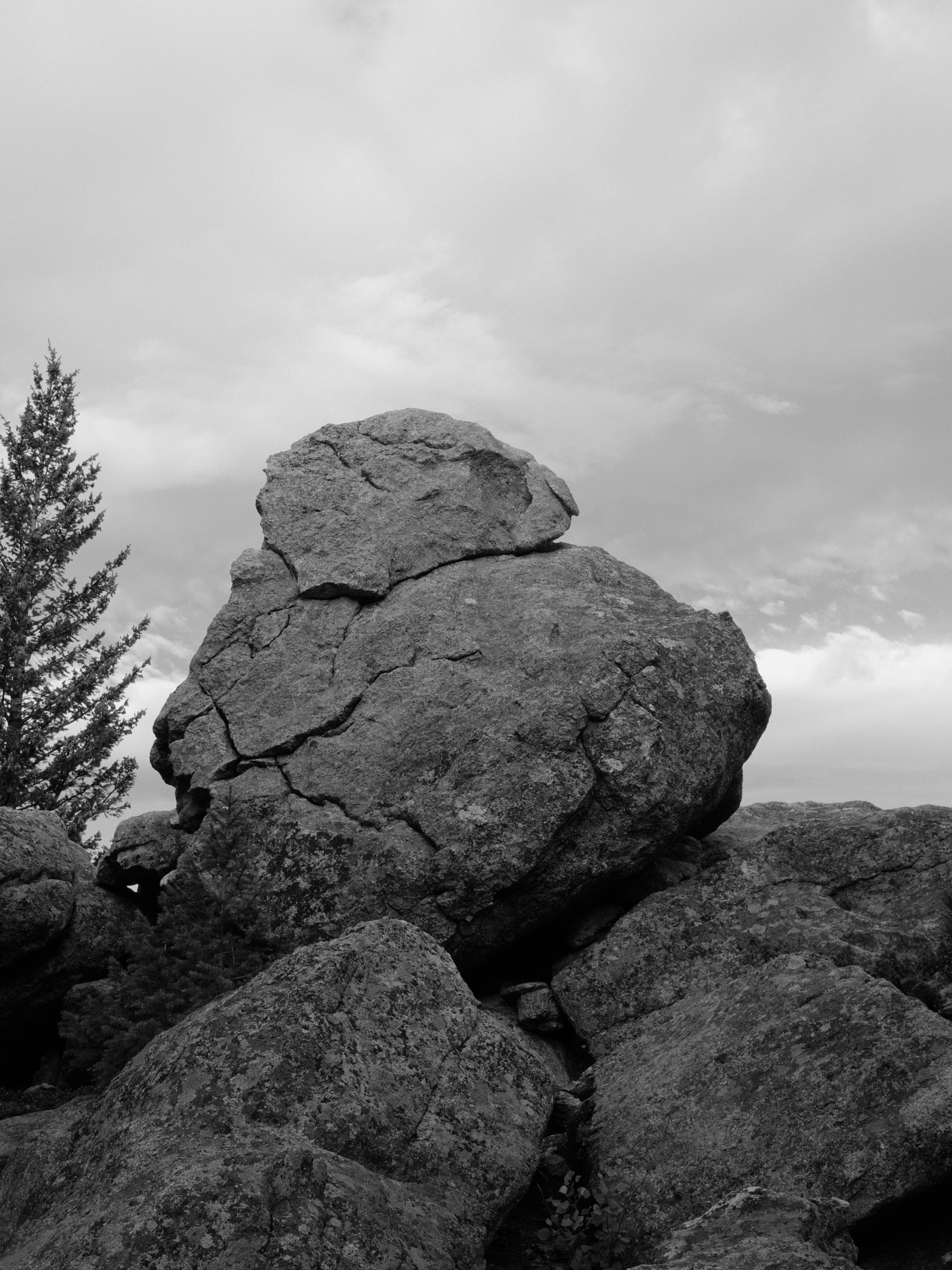
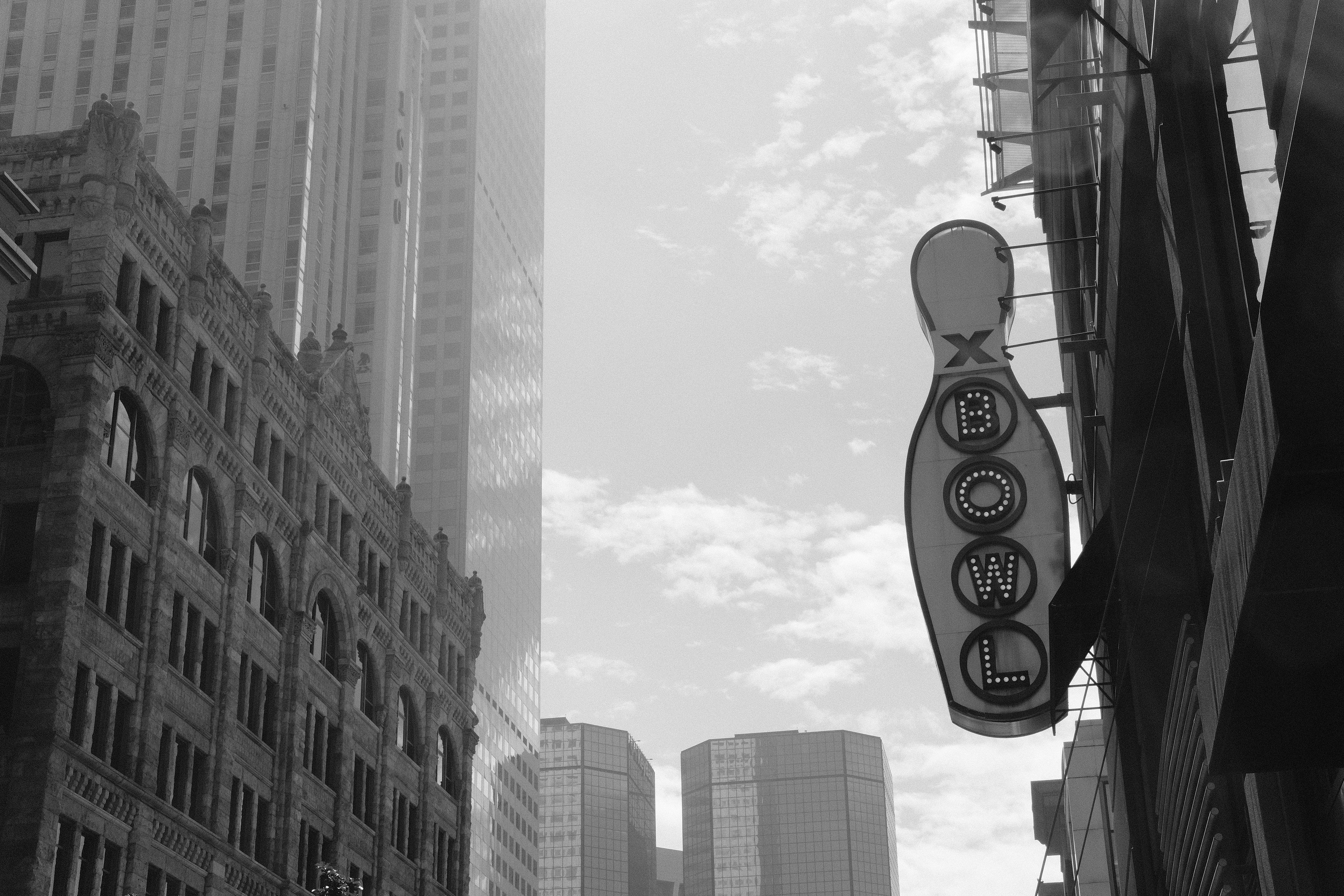
If I go through my archives of photos, most of my favorites are in black and white. Not all, but most. I know there are many photographers who work exclusively in black and white after coming to a similar realization. Portraits, landscapes, still lifes (lives?), I pretty much like all of it in black and white. Here’s a picture of a rock that is the photographic equivalent of scratching a itch for me. It simply fulfills the needs of my most primal lizard brain.
To dive into this a bit, I suspect I love black and white photos precisely because they pare down a messy frame into something my brain can better process. Especially in shots that are have a lot of details in focus, more color means more distractions, and distractions are essentially the bane of my existence. Reducing the colors helps me focus on the subject of a photo while the rest becomes texture. In the same way that editing in black and white simplifies my workflow, it also simplifies the viewing experience of the piece. In my life long struggle to block out noise and find focus, it makes sense that I would try and strip away distractions in my work.
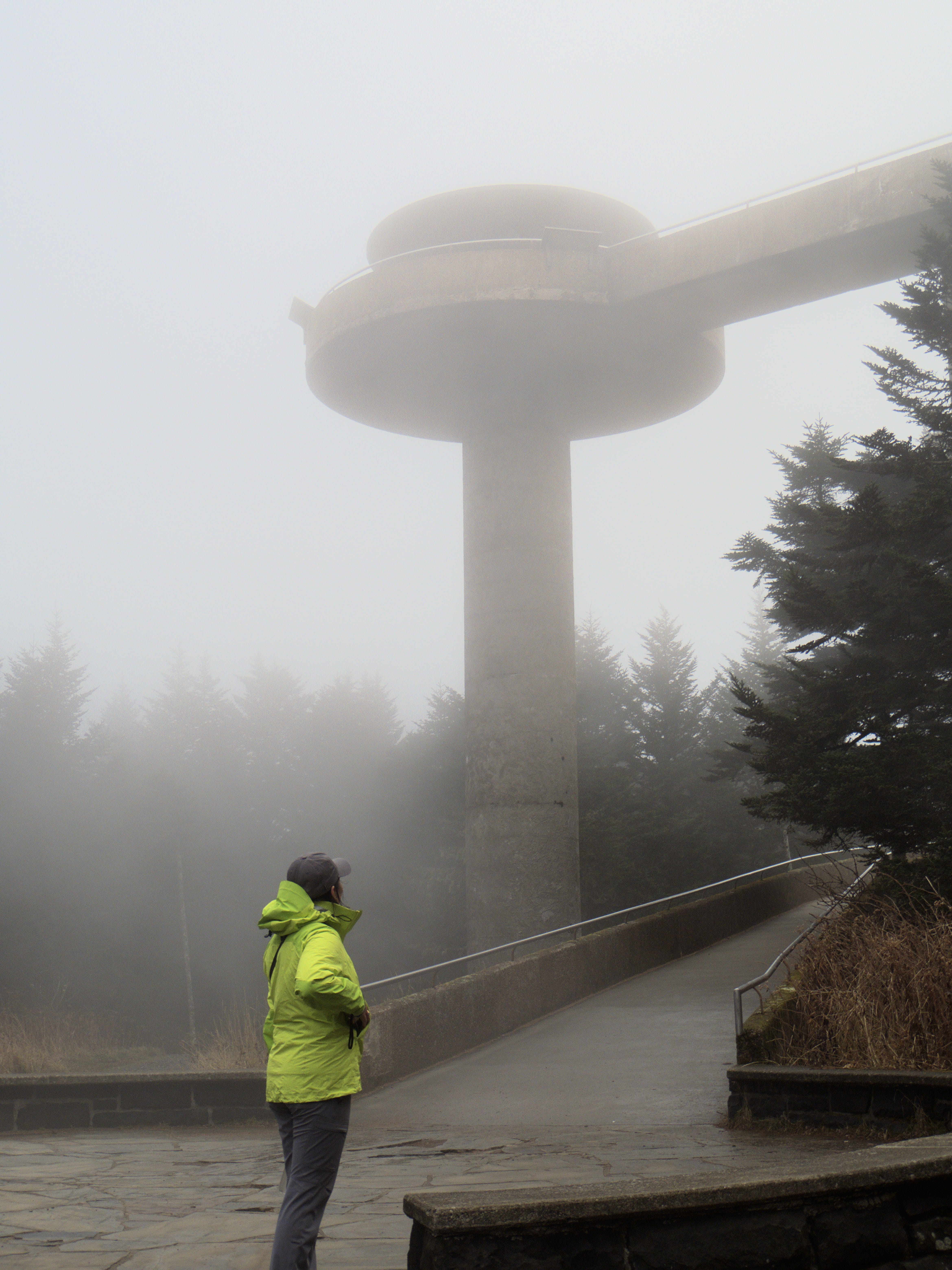
This doesn’t apply to every photo. Color can help a subject pop if it contrasts with its background, and it can undoubtedly add another layer of depth to the viewing experience. It’s also closer to the way we see the world, which can help viewers connect with the piece. Sometimes the colors are simply too moving to remove from the composition. But my work and my editing process benefit heavily from removing color from the equation so I can focus on other aspects.
So if I love the look of black and white photos and also benefit from its workflow, why do I feel the need to justify it? I think it is common to build up art in our heads as something that should be difficult. When things are going too well, a piece is coming together too easily, we question it, as if anything that wasn’t painful or heartbreaking or laborious to create isn’t worth very much. The image of a depressed writer mining the depths of their trauma to produce their next great work, or a painter suffering in poverty to put everything into their next masterpiece, holds us back from creating the work that comes easiest and most naturally to us. And work that is natural to you might just be the work that is most unique to you.
I know making a photo black and white is not itself unique. But I know it lets me focus on other aspects of the work and it often fits my vision. I know enough not to do it every time, but I know myself enough to let it happen when it feels right. I think as an artist, it’s important to take the easy wins when they show up. Because making art is hard. We need all the breaks we can get.
I will likely be settling into a bit less frequent posting schedule, something like twice a month. This piece took some time to turn from an initial idea into a coherent argument, and I want to give my work enough time to do that going forward. Subscribe for more in the future!